Ben Anders
The Chemistry of DeathBen Anders is a physically imposing local resident whose steadiness makes him a source of support to David Hunter, while his opposition to poaching brings him into a long-running conflict with Carl Brenner. As the Manham murders turn fear into public accusation and vigilante patrols, Ben's concern for others and his guarded challenges to Brenner offer a counterpoint to the village's appetite for self-appointed justice. His own arrest and release leave that conflict unsettled rather than resolving the suspicions around him.
Home and Standing in Manham
Ben lives in a large brick cottage on the edge of Manham. The house belonged to his parents; after their deaths, he shared it with his sister until she married and moved away. He has often said it is too large for him and that he ought to sell it for somewhere smaller, yet he shows no inclination to leave. The house remains his home, a modest but telling sign of his attachment to the place.
His relationship with David is established through gestures of practical solidarity rather than lengthy declarations. David welcomes Ben's arrival as a reassuring physical presence and a sign that he is not alone. At another point, Ben takes David's car keys to go for help while David asks for water and clean towels and tends to a wound. The episode presents their trust in action: Ben accepts a task, and David relies on him when attention must stay with the immediate need.
Ben also shows an instinct for discretion. When he speaks to David about the rumors surrounding Sally Palmer's murder, he lowers his voice so it will not carry. He expresses sympathy for Marcus Metcalf and anger at the possibility that the person responsible for Sally's death has also taken Lyn Metcalf. His response is personal and protective, but he does not turn that anger into a public performance.
Concern for Wildlife and Conflict with Carl Brenner
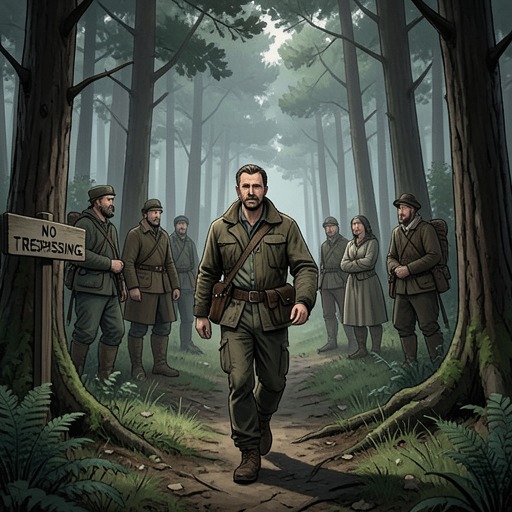
Ben's work around the reserve gives his conflict with Carl Brenner a concrete basis. He believes Brenner has been taking eggs from nests there, including nests of endangered birds, and says that adult birds have also been lost. The species he names include marsh harriers and bitterns. Ben has not caught Brenner in the act, but he keeps watch and makes clear that he intends to confront the problem if he can establish it.
That vigilance carries a cost. Ben explains that he hurt himself while chasing another poacher on a trail after someone tried to reach a marsh harrier's nest he had been monitoring. The account connects his injury to the same protective work that fuels his suspicion of Brenner, without establishing that Brenner was the person he pursued that night. On a later occasion, Ben appears beside David in sunglasses, leaning on the open window of a new black Land Rover. The vehicle is dusty, and Ben explains that it was damaged when he went after a poacher. His pursuit of the nest-raider is therefore not merely an opinion voiced in the pub; it has already taken him into the reserve and left a mark on his plans and property.
The hostility between Ben and Brenner eventually becomes physical. Their fight is described as a confrontation many people had considered overdue, and their disagreement over poaching supplies an established source of tension. The conflict also shapes how Ben responds when Brenner tries to recruit people into village patrols. Ben finishes his whisky before challenging Brenner's claim that he and his companions will sort out the killer themselves. His question does not endorse the patrols; it exposes the bravado in Brenner's declaration and keeps the older feud visible beneath the new public cause.
A Murdered Village and the Turn to Vigilantism
Ben's reactions to the murders unfold against a changing idea of who belongs to Manham. Sally Palmer lives outside the village and is regarded by many neighbours with a mixture of awe and suspicion because she is a writer. When she disappears, Mackenzie notes that no one has seen her since the pub barbecue and that she has missed both a grocery collection and her customary morning visit to the newsagent for the Guardian. Later, a witness reports that she had complained about a dead stoat left on her doorstep. These details make her absence more than a matter of missed routine: they suggest a prior act of intimidation, though they do not identify its author.
After Lyn disappears, most able residents join the search, and the fact that she and Sally are both from Manham changes how the danger is understood. The possibility that the killer is local becomes harder to avoid. When Lyn's body is found, the distinction between the women becomes still sharper: Sally had been an immigrant to the village, while Lyn was born there, went to school there, and married in its church. Her death makes it harder for residents to imagine that the threat belongs outside their community.
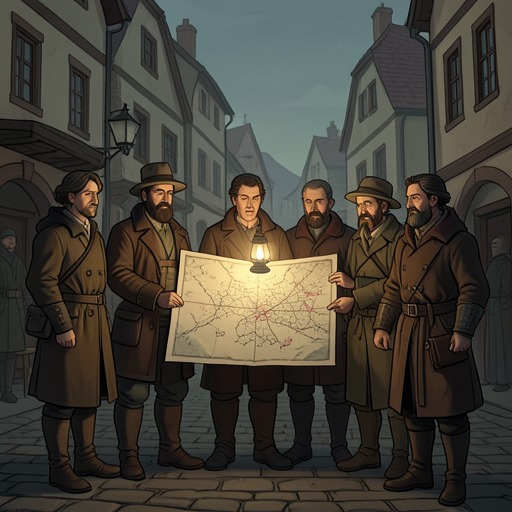
Scarsdale grows into the public voice of Manham, using media appearances and a village-hall meeting to accuse the police of failure and urge residents to protect themselves. His call helps produce patrols that operate day and night. Brenner, accompanied by his cousin Dale Brenner, advances the same purpose in the pub, presenting the patrols as necessary because the police are not doing enough. Ben's response is significant in this atmosphere: although he shares the desire to protect the village from danger, he does not simply accept Brenner's claim to act for the common good. Their existing enmity makes the limits of that claim impossible to ignore.
Suspicion and an Unresolved Position
Ben's place in the investigation becomes more precarious when Mackenzie tells David, in confidence, that Ben is under suspicion. The police release him later that same day. The available account establishes the shift—from a trusted presence to a person the police are investigating, then back out of custody—but does not explain the evidence that led to his arrest or the grounds for his release.
Afterward, Ben insists that what happened was not a mistake but involved Carl Brenner. He also asks David to consider why Brenner told the police that he had seen Ben at Jenny Hammond's. The question links the accusation to the feud between the two men, but the evidence here does not establish why Brenner made the claim or prove Ben's explanation. His suspicion therefore remains a claim within an unresolved conflict, not a confirmed account of what occurred.
Ben's significance lies in that unresolved position. His local roots and concrete efforts to protect wildlife make him more than a convenient outsider or a stranger passing through, yet his fight with Brenner and subsequent police suspicion keep him exposed to the village's competing stories about guilt. Against the loud certainty of the patrols, Ben is shown asking what Brenner's actions mean and why he has named him. The novel gives him no definitive vindication in these episodes; instead, it makes his practical loyalties and his vulnerability to suspicion coexist.